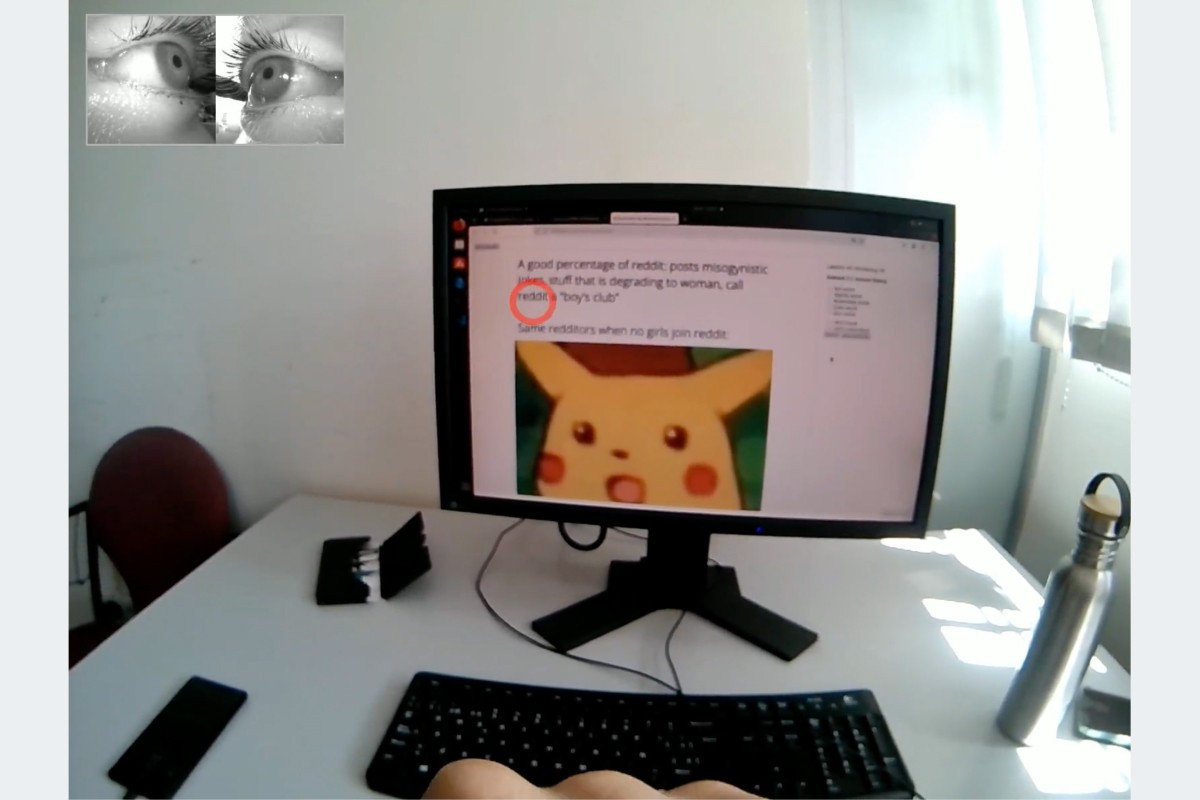
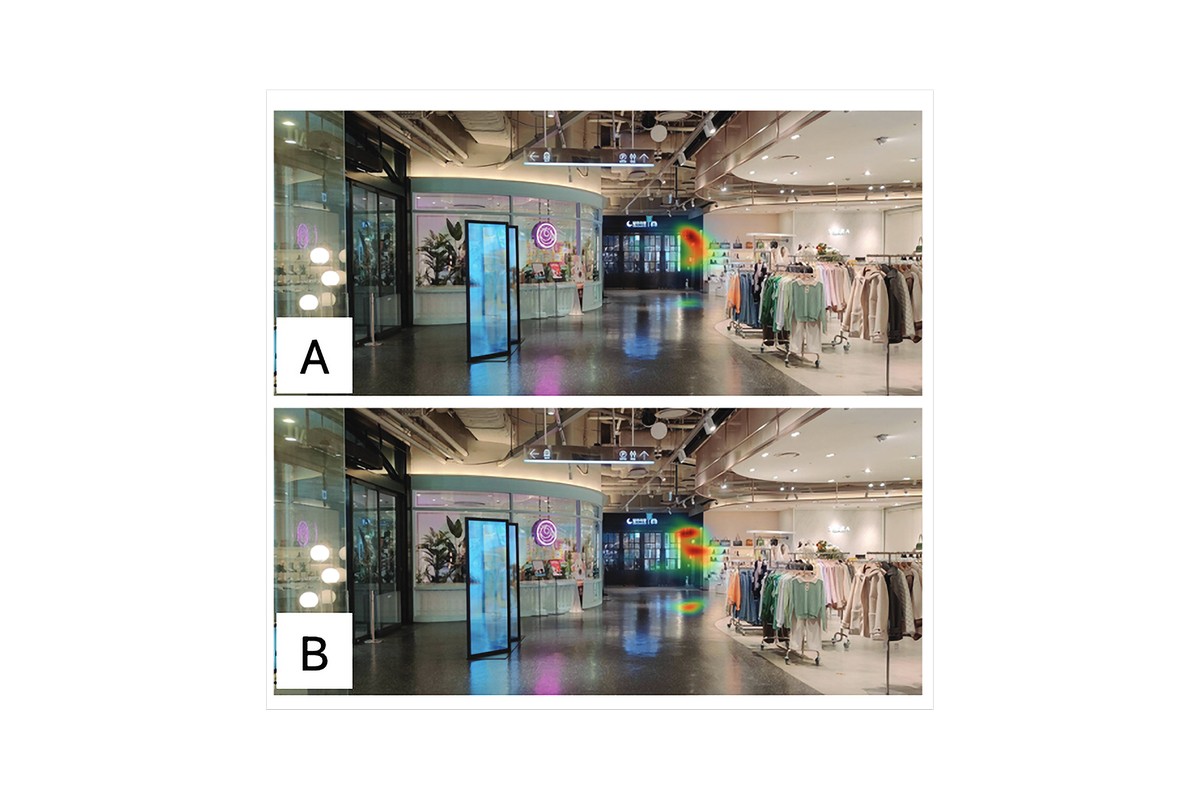
In Western societies, many people are unfamiliar with insect-based foods and reject them, despite their promise as a sustainable alternative to conventional animal protein. This mobile eye-tracking study examined how people view and evaluate insect-based foods in a buffet setting. Thirty-seven participants (mean age = 26 years) freely viewed a buffet containing 12 items from four categories: insect-based snacks, novel non-insect snacks, familiar snacks, and non-food objects. Mobile eye-tracking measured total and mean fixation durations for each item. Participants also rated each food item on disgust and desire to eat. The findings show that insect-based and novel snacks were viewed significantly longer than familiar snacks and non-foods, indicating increased visual engagement rather than oculomotor avoidance. Mean fixation duration did not differ across categories. Insect-based snacks elicited significantly higher disgust and lower desire to eat than both novel and familiar snacks. In conclusion, despite high disgust and low desire to eat, insect-based snacks attracted more visual attention than familiar foods and non-foods. This suggests that food disgust is not associated with oculomotor avoidance which is commonly observed when disgust is elicited by non-food.