Research Digest
|
UI / UX Research
The Science of Scenery: Assessing Rural Landscapes with Eye Tracking
Art & Architecture
Urban Planning
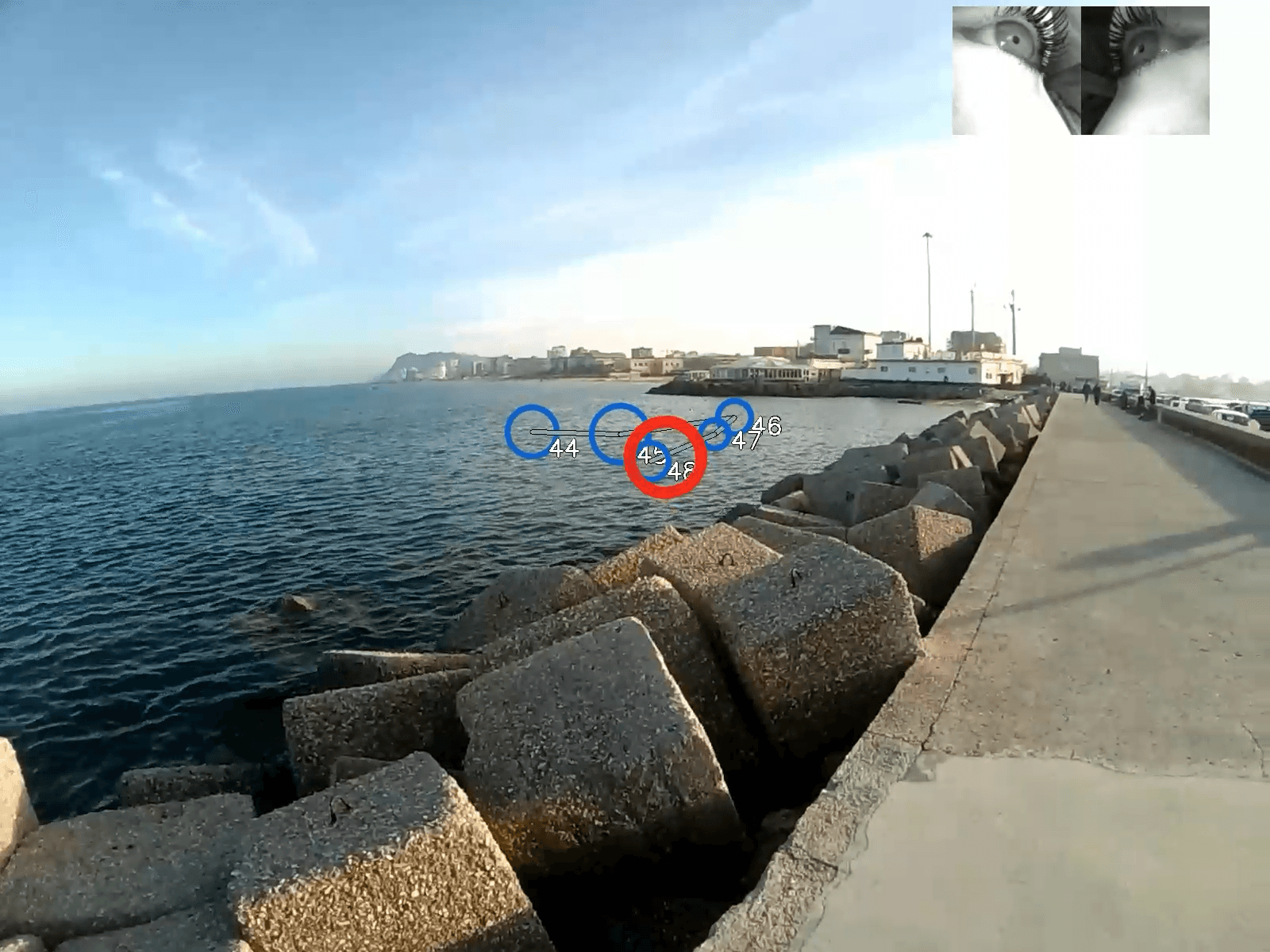
Still from video recorded with the Neon eye tracker. The footage is illustrative and not part of the study.
Seeing Rural Beauty More Objectively
Video recorded with the Neon eye tracker. The footage is illustrative and not part of the study.
As urban growth slows in many regions, attention is shifting toward rural revitalization. Beyond economic growth, the goal is to create villages that are attractive, livable, and environmentally balanced. Yet assessing what makes a rural landscape “beautiful” remains challenging.
Most evaluations rely on surveys and expert ratings. While useful, these methods capture what people say they prefer, not how they visually experience a scene. Eye tracking bridges that gap by revealing where attention naturally goes.
Combining Subjective Ratings and Eye Tracking
To explore this, Yu Li and colleagues from the Guangdong Academy of Forestry and Northeast Agricultural University combined subjective ratings with eye tracking data collected using the Neon wearable eye tracking system.
The study included 54 photographs from nine villages in Guangzhou, China, representing three development types:
Clustered Improvement: Densely developed villages with strong growth potential.
Characteristic Preservation: Historical villages with protected cultural or architectural features.
Urban–Suburban Integration: Villages at the urban fringe with mixed rural and urban functions.
Thirty university students viewed the images while wearing Neon. The system recorded fixation count, fixation duration, saccade duration, and blink rate. Participants then rated each landscape for scenic beauty and related attributes.
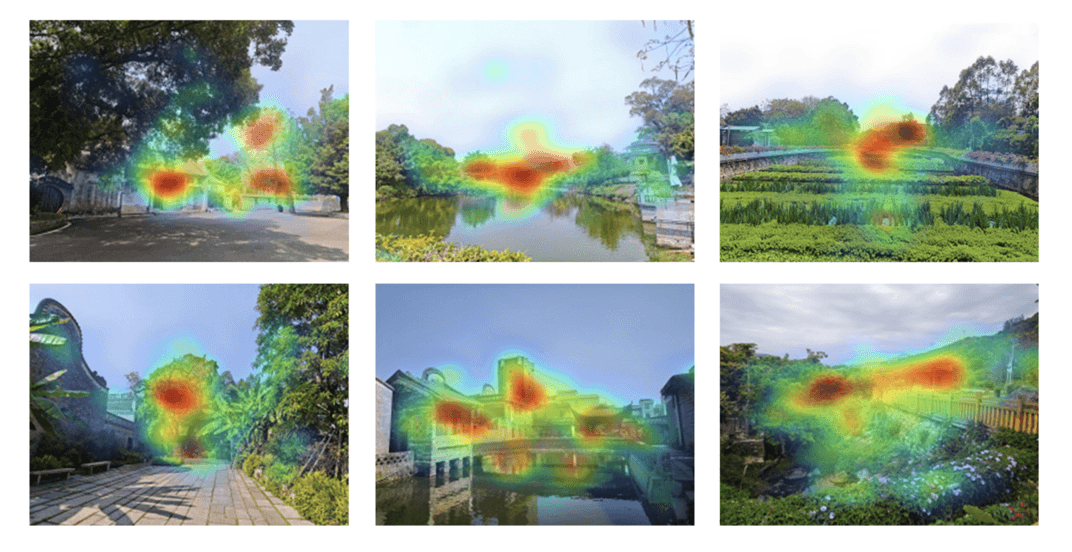
Figure 1: Heatmaps of six selected rural landscape images, highlighting where viewers focused their attention most. Adapted from Li, Y., Luo, H., Sun, S., Wang, K., & Zhao, Q. (2025). Visual Quality Assessment of Rural Landscapes Based on Eye-Tracking Analysis and Subjective Perception. Sustainability, 18(1), 161.
What the Eyes Reveal
The findings reveal that what captures our attention is not always what we find beautiful.
Attention does not always equal beauty: Historical villages attracted the most visual exploration, with longer and more frequent fixations. Rich architectural detail drew the eye, but did not always result in higher beauty ratings.
Order supports aesthetic appeal: Clustered Improvement villages received the highest scenic ratings. These environments were more visually coherent and associated with higher blink rates, suggesting greater visual comfort.
Scanning patterns matter: Landscapes that encouraged broader eye movements, reflected in longer total saccade durations, tended to score higher in scenic beauty.
Color and cleanliness count: Diverse vegetation colors and well-maintained surroundings were consistently associated with stronger visual engagement and higher beauty ratings.
Transitional areas lag behind: Urban–Suburban Integration villages scored lowest across both gaze metrics, showing fewer and shorter fixations and lower blink count, as well as in subjective beauty ratings. This highlights these areas as priorities for targeted improvement.
Designing with the Viewer in Mind
This study highlights how eye tracking can complement traditional landscape assessment. Instead of relying solely on stated preferences, planners can examine how people visually explore a scene.
The results suggest that visual order, color diversity, and thoughtfully integrated historical elements shape aesthetic experience. Wearable eye tracking provides a practical way to evaluate these factors, supporting more evidence-based rural design that is not only sustainable but also visually engaging and comfortable.
Further resources
Full article: https://www.mdpi.com/2071-1050/18/1/161
Research Centers
Guangdong Academy of Forestry, Guangzhou, Guangdong, China
Northeast Agricultural University, Harbin, Heilongjiang, China